How to Write Prompts for Marketing Copy and Ads
Learn to craft AI prompts that produce high-converting marketing copy and ads. Includes frameworks, examples, and common pitfalls to avoid.
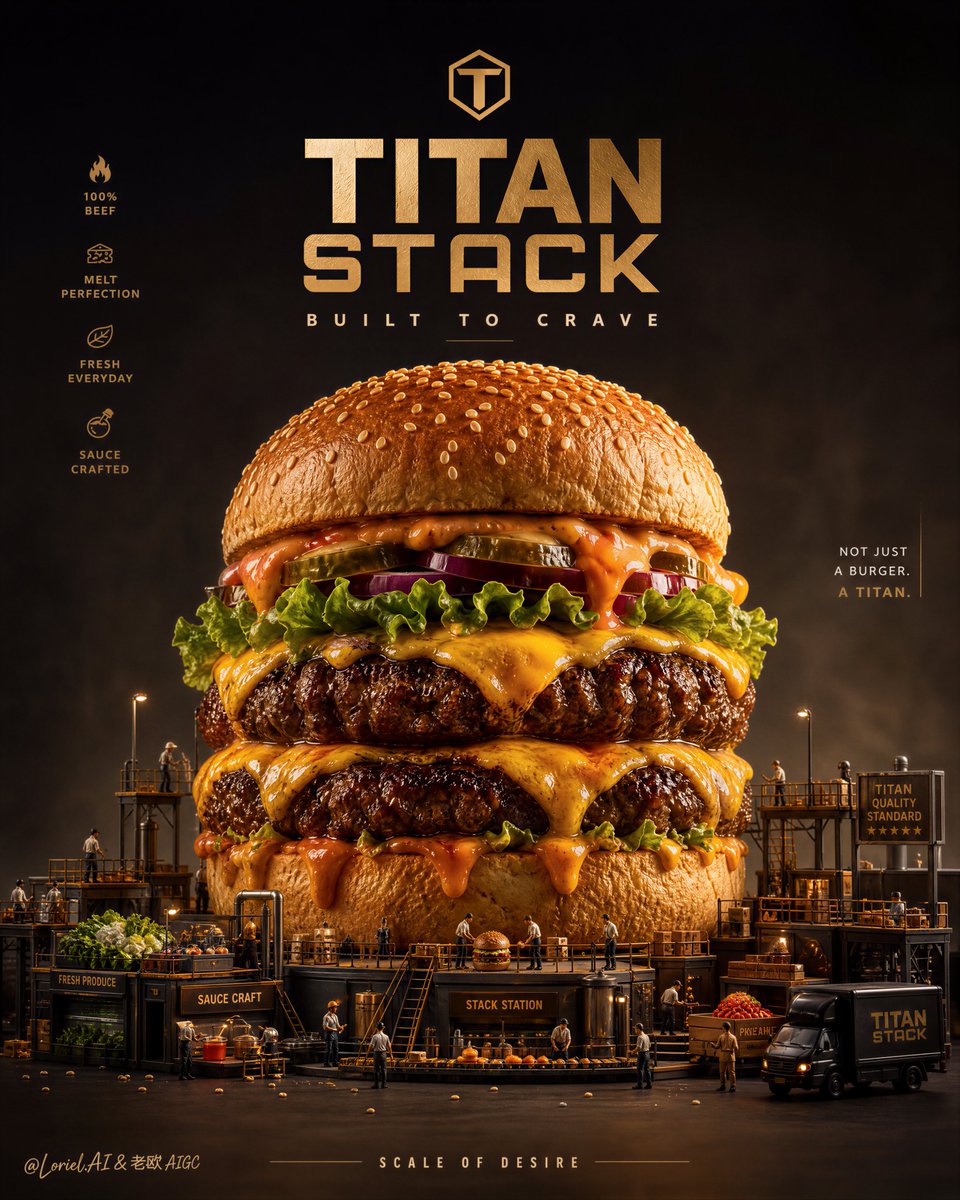
How to Write Prompts for Marketing Copy and Ads
Marketing copy is the voice of your brand. When you use AI to write it, the prompt you feed is the difference between generic filler and copy that actually sells. This guide shows you how to engineer prompts that turn a language model into a sharp, on-brand copywriter.
You'll learn the core principles, see real prompt examples, and get a checklist to avoid the most common mistakes. By the end, you'll be able to write prompts that produce ads, emails, and landing pages that sound human and drive action.
Why Marketing Prompts Are Different
Marketing copy has a job: to persuade. Unlike a summary or a technical explanation, ad copy must hook attention, build desire, and prompt a click or purchase. Generic AI output often fails because it's bland and lacks a clear call to action.
A well-crafted prompt for marketing includes not just the topic, but the audience, the tone, the format, and the desired outcome. As OpenAI's prompt engineering guide notes, clear and specific instructions dramatically improve output quality. For marketing, specificity is even more critical because you're competing for a reader's attention.
Core Principles of Marketing Prompt Writing
1. Define Your Audience with Precision
AI can't read minds. If you say "write for young professionals," you'll get a generic response. Instead, describe your audience in detail: age, income, pain points, aspirations, and even their favorite platforms.
Weak prompt:
Write an Instagram ad for a new coffee brand.
Strong prompt:
Write an Instagram ad for a premium cold brew coffee. Target audience: urban professionals aged 25-35, earning $70k+, who value convenience but refuse to drink low-quality coffee. They are tired of sugary energy drinks and want a clean caffeine boost. Tone: witty, confident, slightly irreverent. Include a clear call to action to visit our website.
Notice how the strong prompt gives the AI a persona to write for. This is a core technique in Anthropic's prompt engineering overview, which emphasizes giving the model context to steer its output.
2. Specify the Format and Structure
Marketing copy comes in many shapes: headlines, body copy, product descriptions, email subject lines, social captions, and more. Each has its own rules. Tell the AI exactly what format you need.
Example for a product description:
Write a 150-word product description for a waterproof Bluetooth speaker. Use bullet points for key features, include a short opening hook, and end with a persuasive line about lifestyle benefits. Format:
- Hook (1 sentence)
- Feature bullets (3-4 items)
- Lifestyle benefit paragraph (2-3 sentences)
- Call to action (1 sentence)
This structure gives the AI a template to fill, which reduces rambling and keeps the output scannable for readers.
3. Inject Brand Voice and Tone
Generic AI copy sounds like a robot wrote it. To avoid that, define your brand's voice. Is it playful, authoritative, compassionate, edgy? Provide examples if possible.
Tip: You can use a prompt that asks the AI to adopt a specific persona. For instance, "You are a seasoned copywriter who has worked for Nike and Apple. Write in a minimalist, aspirational style." This is a common trick in Google's Gemini prompting strategies, where personas help tailor responses.
Example tone instruction:
Write a Facebook ad for a home security system. Tone: reassuring but not fear-mongering. Use simple, warm language that makes families feel safe. Avoid technical jargon.
4. Include Constraints and Requirements
Constraints force the AI to be creative within limits, which often produces better results. Add word count limits, banned words, or specific keywords to include.
Example:
Write a Google Ads headline (max 30 characters) and description (max 90 characters) for a yoga studio. Include the keyword "beginner classes." Do not use the word "best."
This is similar to how Anthropic's prompt library offers structured prompts with clear constraints for various business tasks.
5. Use Examples (Few-Shot Prompting)
One of the most powerful techniques is to show the AI an example of what you want. This is called few-shot prompting. It teaches the model the style, length, and quality you expect.
Example:
Write a product description for a leather wallet. Here's an example of the style I want:
"This isn't just a wallet. It's a slim companion for your everyday carry. Hand-stitched full-grain leather that ages beautifully. Fits in your front pocket. Made to last a decade."
Now write a similar description for a canvas tote bag.
This approach is well-documented in the Prompt Engineering Guide, which explains how few-shot examples improve consistency.
Advanced Techniques for Ad Copy
1. Emotional Triggers and Psychological Hooks
Great ads tap into emotions like fear, joy, or FOMO. You can instruct the AI to use specific psychological triggers.
Prompt snippet:
Write an email subject line for a limited-time sale. Use urgency (e.g., "24 hours only") and exclusivity (e.g., "members only"). Make it under 50 characters.
2. A/B Testing Variations
AI can generate multiple variations for A/B testing. Ask for 3-5 different versions with distinct angles.
Example:
Generate 5 Facebook ad variations for a new fitness app. Variation 1: focus on convenience. Variation 2: focus on community. Variation 3: focus on results. Variation 4: focus on fun. Variation 5: focus on affordability. Keep each under 100 words.
3. Repurposing Content Across Channels
Use AI to adapt one piece of copy for multiple channels. This saves time and keeps messaging consistent.
Prompt:
Here is a blog post about sustainable fashion. Create a Twitter thread (5 tweets), an Instagram caption, and a LinkedIn post from it. Keep the core message the same but adjust tone per platform.
Common Mistakes and How to Avoid Them
Mistake 1: Being Too Vague
"Write a good ad" is useless. You'll get a generic, forgettable result. Always provide context: product, audience, goal.
Fix: Use the framework: Product + Audience + Goal + Tone + Format.
Mistake 2: Ignoring the Call to Action
AI often forgets to include a CTA. Always specify what action you want the reader to take: visit a site, sign up, buy now, etc.
Fix: End your prompt with "Include a clear call to action that tells the reader to [desired action]."
Mistake 3: Overloading the Prompt
While detail is good, too much can confuse the model. Stick to the most important elements and avoid conflicting instructions.
Fix: Prioritize your requirements. If you need a specific tone, drop less critical details.
Mistake 4: Not Iterating
Your first output might not be perfect. Use follow-up prompts to refine: "Make it more emotional," "Shorten to 50 words," "Change the tone to be more formal." Iteration is a key part of Learn Prompting.
Real-World Prompt Examples
Example 1: Social Media Campaign Poster Brief
If you're creating a visual ad, you can use a prompt like the MAGGI 2 minute noodles social campaign poster brief to generate a detailed brief that includes audience, message, and visual style. This ensures the AI (or a human designer) knows exactly what to create.
Example 2: Product Grid for Commercial Marketing
For e-commerce, you might want a 3x3 grid of product images. The 3x3 luxury product grid for commercial marketing prompt shows how to specify layout, lighting, and aesthetic to get consistent visuals.
Example 3: Humanizing AI Copy
If your AI output sounds too robotic, use a humanizer prompt like the Anti-AI-Detection Writing Humanizer Prompt for Claude to rewrite it with more natural flow and personality.
Example 4: Beer Marketing Campaign Board
For a full campaign, you can use a prompt like the 9-grid cherry lambic beer marketing campaign board to generate a visual board that includes multiple ad variations in one image.
Example 5: Avoiding Generic Copy
To prevent your copy from sounding like everyone else's, try the Three questions that stop AI copy sounding generic prompt. It forces you to answer key strategic questions before writing.
How to Use Internal Resources
Wikiprompt has a dedicated marketing category with many more prompts. You can also search for marketing prompts to find templates for specific tasks like email campaigns, social ads, or landing pages.
Checklist for Your Next Marketing Prompt
Before you hit enter, run through this checklist:
Further Reading and Best Practices
To deepen your skills, check out these resources:
Remember, the best prompt is one that you refine over time. Don't settle for the first output. Use your judgment to tweak and improve until the copy truly sings.
Conclusion
Writing prompts for marketing copy is a skill that combines clarity, creativity, and strategic thinking. By defining your audience, specifying format, injecting brand voice, and using constraints, you can transform AI from a generic text generator into a powerful marketing assistant. Use the examples and checklist above to start creating ads that actually convert. And don't forget to explore the marketing prompts on wikiprompt for ready-to-use templates.
Now go write your next prompt with confidence. Your audience is waiting.
Related Articles
- The Best Ideogram Prompts
Oct 13, 2026 · 7 min read
- 最佳Ideogram提示词
Oct 13, 2026 · 7 min read
- Die besten Ideogram-Prompts
Oct 13, 2026 · 7 min read
- Los Mejores Prompts de Ideogram
Oct 13, 2026 · 7 min read
- Les Meilleurs Prompts pour Ideogram
Oct 13, 2026 · 7 min read