Which AI Models Are Used Most (and What For): Lessons from 54,000 Prompts
With more than 54,000 prompts in the library, Wikiprompt is big enough to answer what people actually ask: which AI model is used most, which least, what each is best at, and the words in almost every good prompt.
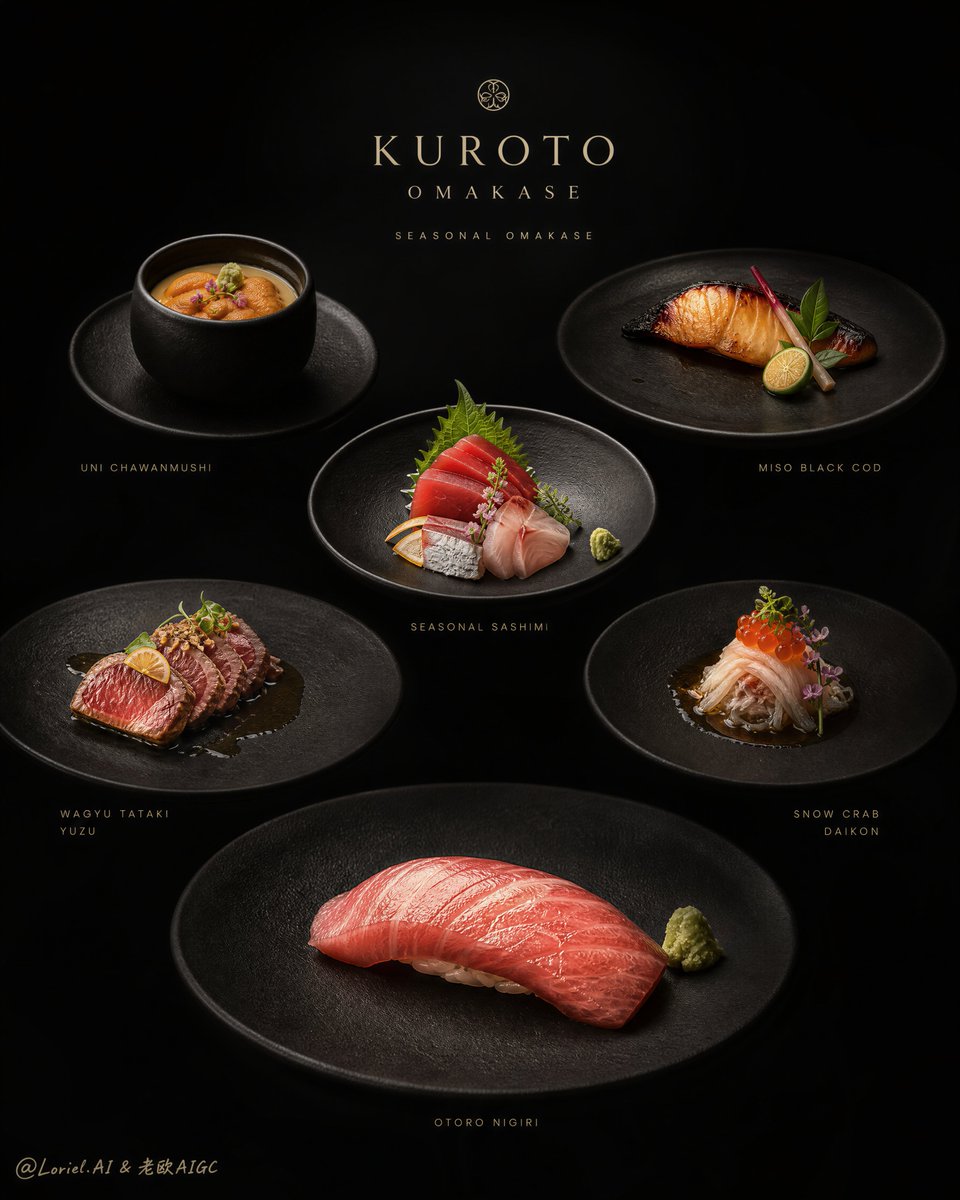
Wikiprompt now holds more than 54,000 prompts, and that scale lets us answer questions you cannot answer from a handful of examples: which models people actually reach for, what they use each one to make, and the vocabulary that runs through the best prompts. Here is what the data says.
The most-used AI models
Counting every prompt that names a model, this is the current leaderboard:
A large share of prompts are also model-agnostic text recipes (system prompts, templates) that work anywhere, a reminder that a lot of prompt craft is not tied to one generator.
What each model is actually used for
The numbers make the specialization obvious:
Image vs video, at a glance
Still images are still the vast majority of the library, but video is the fastest-growing slice, and it is concentrated in a few models. If you want video, you are really choosing between Seedance, Veo, Kling and Hailuo. For stills, the field is wider: GPT Image, Midjourney and Nano Banana cover most of it.
The vocabulary of a good prompt
Some words show up so often across 54,000 prompts that they are effectively the shared language of AI creation. The most common, in order: cinematic, portrait, template, photorealistic, woman, shallow depth of field, 8k, illustration, fashion, editorial, cinematic lighting, studio lighting, minimalist, golden hour, bokeh, close-up, vibrant.
The pattern is clear: light and lens do the heavy lifting. Phrases about lighting (cinematic lighting, studio lighting, golden hour) and optics (shallow depth of field, bokeh, 8k, close-up) appear far more than any subject word. If you are stuck, add a light phrase and a lens phrase before you add more description.
Most vs least used
At the top, a handful of models (GPT Image 2, Midjourney, Nano Banana, Seedance) account for the bulk of everything. At the long tail sit dozens of niche or regional models with only a few prompts each, often specialized tools (upscalers, single-purpose generators) or brand-new releases that have not been widely adopted yet. Watching which names climb out of that tail over time is one of the clearest signals of where AI creation is heading.
We will keep publishing these breakdowns as the library grows past 100,000 prompts. Explore any model yourself from the search filters.
Related Articles
- The Best Ideogram Prompts
Oct 13, 2026 · 7 min read
- 最佳Ideogram提示词
Oct 13, 2026 · 7 min read
- Die besten Ideogram-Prompts
Oct 13, 2026 · 7 min read
- Los Mejores Prompts de Ideogram
Oct 13, 2026 · 7 min read
- Les Meilleurs Prompts pour Ideogram
Oct 13, 2026 · 7 min read