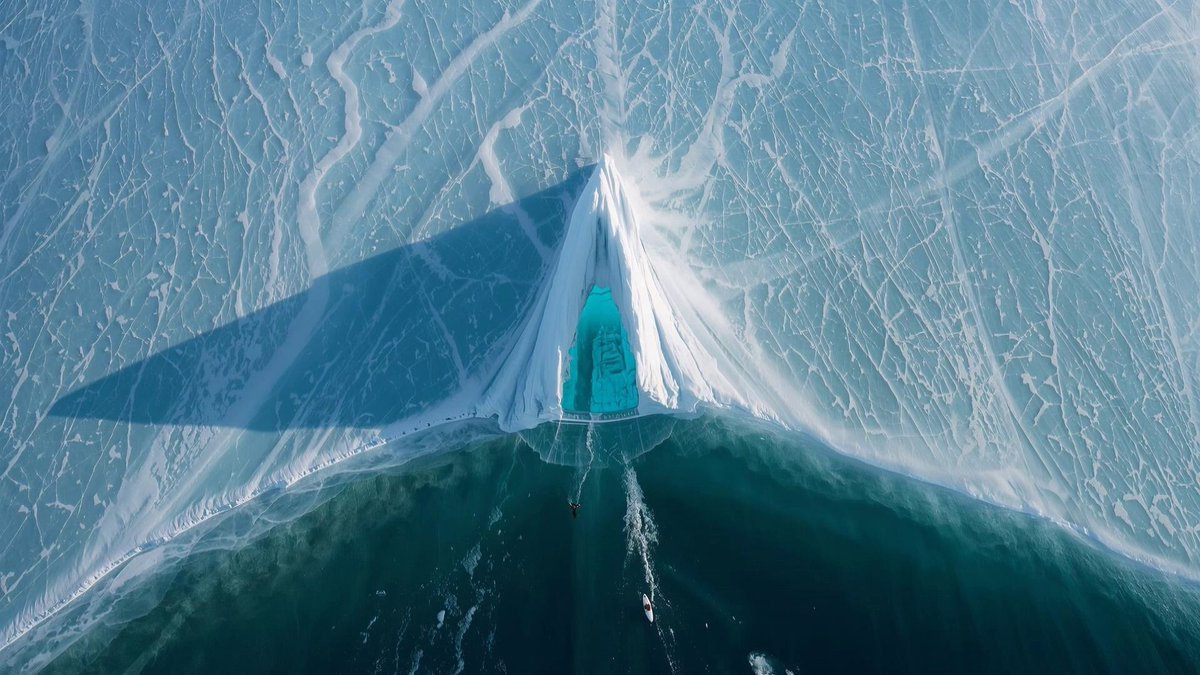
A curated roundup of the strongest Kling video prompts on Wikiprompt, from FPV drone chases to cinematic transformations, with what makes each one work.
Kling, from Kuaishou, has become one of the leading AI video models for creators who want cinematic motion, physically plausible camera work, and coherent subjects across a full shot, not just a few seconds of morphing pixels. It handles complex camera choreography (FPV chases, aerial zooms, one-take tracking shots) and stylized transformations better than most competitors, which is why so many of the best video prompts submitted to Wikiprompt specify Kling as the target model.
We pulled every Kling video prompt in our catalog, ranked by our editorial quality score and assessment ratings, to build this roundup. Below is what actually works when you're writing for Kling, followed by the prompts themselves.
What Kling is good at
Camera choreography. Kling handles named camera moves (FPV drone push-ins, aerial zoom-outs, one-take tracking shots) with more physical consistency than most models, so it rewards prompts that describe the camera path explicitly rather than leaving it implicit.Coherent transformations over time. Morphs, reveals, and time-travel style transitions (a character aging, a landscape changing seasons, an object becoming something else) tend to stay structurally coherent from first frame to last, which makes Kling a strong pick for prompts built around a single dramatic change.Cinematic lighting and mood. Rain-slicked streets, lightning, volumetric fog, and moody color grades render with texture instead of flattening out, so genre-forward prompts (noir, action, horror) tend to punch above their weight.Reference-driven consistency. When a prompt supplies a face or subject reference, Kling is comparatively good at keeping that subject recognizable through motion and camera changes, which matters for prompts built around a specific character.Micro and macro scale shifts. Extreme macro shots (skiing on a scoop of ice cream, tiny worlds) and extreme scale contrasts render with convincing depth of field, which is a distinctive Kling strength worth exploiting deliberately.The best Kling prompts
One-Take FPV Jungle Chase with Drone: a single continuous FPV shot weaving through dense jungle. The highlight is the one-take constraint itself, forcing the model to hold spatial continuity through a fast, obstacle-heavy path instead of cutting away.FPV Drone Cinematic Shot of Man at Laptop: grounds the same FPV drone language in an ordinary interior scene. The highlight is proof that Kling's drone camera work isn't just for action sequences, it reframes mundane moments cinematically.Collapsing Megacity Tunnel Train Chase: a large-scale disaster set piece with a train, a collapsing tunnel, and sustained motion. The highlight is how it stacks multiple moving elements (train, debris, structural collapse) without the shot falling apart.Post-Apocalyptic Bow Hunt Cinematic Prompt: a tense hunting scene in a ruined world. The highlight is the pacing, a slow stalk building to a single decisive action, which plays to Kling's strength at holding tension across a shot.Rainy Night Street Fighter Cinematic Video Prompt: a noir action beat under rain and neon. The highlight is the lighting and atmosphere doing as much work as the choreography, a good template for mood-first action prompts.Storm Goddess Hero Lightning Video Prompt: a hero shot built around lightning and storm energy. The highlight is treating weather as the main character, not just background dressing.Epic Cosmic Transformation Astronaut Monolith: an astronaut transformation sequence staged around a monolith. The highlight is the transformation arc itself, a clean example of Kling's strength with a single coherent visual metamorphosis.Cinematic Time-Travel Transformation Video Prompt: a time-travel themed transition. The highlight is sequencing multiple visual eras into one continuous shot without losing the thread.Glacier Pyramid Aerial Zoom Video Prompt: an aerial zoom revealing a pyramid-like glacier formation. The highlight is the reveal structure, starting wide or tight and letting the zoom itself carry the narrative beat.Reality TV Bladesmith Competition Testing Segment: a competition-show style segment testing a blade. The highlight is genre mimicry, replicating the specific visual language of reality TV rather than generic cinematic footage.Macro Skiing on Ice Cream with Face Reference: a miniature-world macro shot combined with a face reference for the subject. The highlight is combining extreme scale play with subject consistency in one prompt.Video Prompt for Cartoon Cats Appearing at Cathedral: stylized cartoon characters composited into a real, grand location. The highlight is the contrast between a soft illustrated style and a photoreal or realistic backdrop, a useful pattern for mixed-style prompts.How to structure a Kling prompt
Open with the camera, not the subject. Name the shot type first (FPV, aerial, one-take tracking, macro) since Kling treats the camera description as a strong steering signal for the whole sequence.Describe one clear action or transformation, not several. Prompts that focus on a single dramatic beat (a reveal, a chase, a transformation) hold together better than ones trying to cram in multiple unrelated events.Set the lighting and mood explicitly. Rain, lightning, fog, or a specific color grade should be spelled out; Kling renders atmosphere as texture when it's given the words to work with.Sequence it in time. Even a short prompt benefits from a beginning, middle, and end within the shot (approach, moment, resolution) rather than a static description of a scene.Add a reference when subject consistency matters. If a specific face or character needs to stay recognizable through motion, supply a reference image alongside the text.For more, browse every Kling prompt on Wikiprompt, or explore the wider library of video prompts across every model.