The highest-rated GPT Image 2 prompts on wikiprompt, from collectible posters to forensic-level portrait realism, with a quick recipe for writing your own.
GPT Image 2 has quietly become the model people reach for when a single still needs to carry real production value: crisp product photography, collectible-grade poster design, believable skin texture, and character sheets that hold up across multiple panels. We pulled the highest-rated GPT Image 2 prompts on wikiprompt, the ones our editorial scoring actually rates as top-tier, to see what the best submissions have in common and to give you a shortlist worth stealing from.
What GPT Image 2 is best at
Poster and layout design. Several of the top prompts are collectible posters and magazine ads, categories where GPT Image 2 handles typography, grid composition, and print-style color grading with less drift than most image models.Skin and material realism. Prompts that ask for forensic-level skin detail or cinematic portrait lighting come back with texture and subsurface detail that reads as photographic, not painted.Character sheets and turnarounds. Multi-view or multi-panel character prompts (Pixar-style sheets, Y2K fashion designs) stay consistent across the same character in different poses, a common failure point for other generators.Blueprint and technical-diagram styling. Engineering-blueprint and schematic aesthetics come out with correct line weight and annotation style instead of a generic sketch look.Moody, cinematic lighting. Night skylines, penthouse interiors, and dramatic single-subject shadows all show up in the highest-rated batch, suggesting the model rewards prompts that specify a clear light source and time of day.The best GPT Image 2 prompts
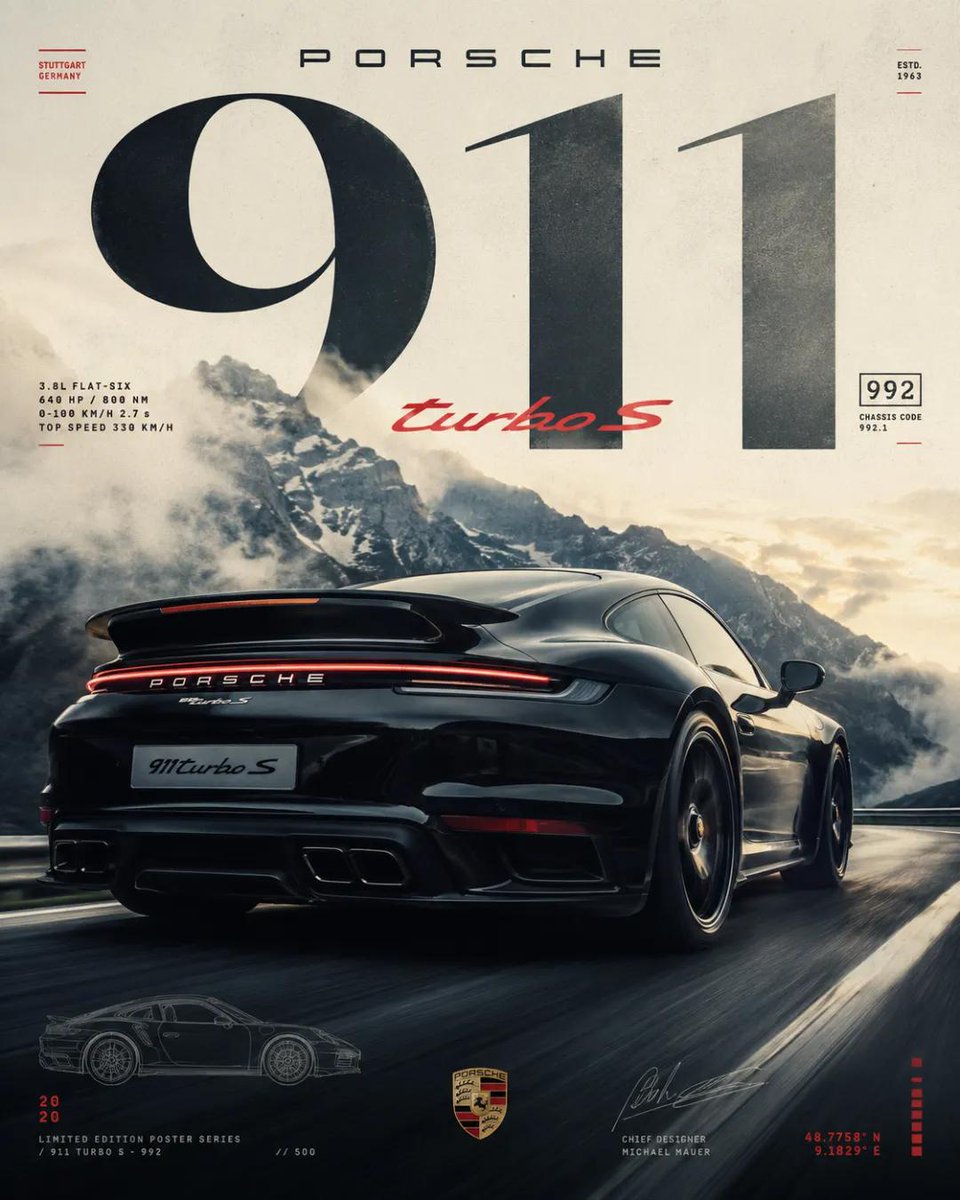
[5 collectible automotive poster for the [CAR NAME]](/5-collectible-automotive-poster-for-the-car-name): a templated poster generator built around swapping in any car name, the kind of reusable structure that makes a prompt worth bookmarking instead of a one-off.Ultra-Premium Fine-Dining Poster Prompt: restaurant-menu-grade poster design with the kind of typography hierarchy and plating detail you would expect from a real print campaign.Midnight View: Cinematic Penthouse Portrait: a single light source against a city skyline at night, a good reference for anyone trying to get GPT Image 2 to hold moody interior lighting.Universe Inside a Cup Fantasy Masterpiece: a surreal macro concept, a cosmos contained inside a small object, that tests the model's handling of scale contrast and glow.Mika Static: Y2K Street Fashion Character Design: a full character design brief with a defined era and subculture, useful as a template for building your own named characters.One Brick: Monumental Shadow Architectural Photo: architectural photography built entirely around shadow shape rather than the subject itself, a good example of composition-first prompting.Woodland Water Dance Photorealistic Portrait Prompt: natural-light portrait work in a forest and water setting, showing off how the model handles movement and reflections together.Forensically detailed skin portrait prompt: the sharpest test of skin realism in the batch, pore-level detail called out explicitly rather than left to chance.TITAN: engineering blueprint of transforming robot: a technical blueprint aesthetic applied to a mechanical design, a solid reference for schematic-style output.Cinematic Fantasy Portrait: Woman Opening the Night Sky: a fantasy portrait built around a dramatic sky-splitting gesture, a good template for hero-image compositions.Pixar-style character concept sheet: Gigantosaurus Giga: a full concept-art sheet in an animated-film style, useful if you need multiple angles of the same character in one pass.Retro-Futurist Nintendo Magazine Ad (1970s): a period-accurate ad pastiche that nails the print texture and color palette of a specific decade.A quick recipe
Name the format before the subject. The strongest prompts above open with what the image is (poster, blueprint, magazine ad, character sheet) rather than just describing the subject, which steers composition from the first token.Specify one dominant light source. Night skyline, single lamp, forest canopy: the cinematic entries all pin down where the light comes from instead of leaving lighting generic.Call out material and texture explicitly. Skin pores, print paper grain, brick shadow edges: naming the texture you want is what separates a flat render from a photographic one.Build in reusability. Templated prompts, like the collectible poster generator with a swappable car name, get more mileage than a one-off description and are worth writing that way from the start.For more, browse every GPT Image 2 prompt on wikiprompt or head back to the blog for more roundups.