The Best Flux Prompts (2026)
The real top-rated Flux prompts on Wikiprompt, ranked by quality and wow score: cinematic portraits, surreal composites, analog film looks, and commercial shots, plus tips for writing your own.
The Best Flux Prompts (2026)
Flux, from Black Forest Labs, has become one of the go-to models for prompt writers who want photorealism and surreal concept work in the same tool. It handles fine detail (skin texture, fabric, glass, chrome) about as well as any image model out there, but it also takes wild creative direction, film-style color grades, and layered symbolism without falling apart. The prompts below are the real top-rated Flux entries on Wikiprompt, pulled straight from the catalog and ranked by our editorial quality score and "wow" rating, not cherry-picked for a vibe.
What Flux is great at
Looking across the highest-rated Flux prompts in our database, a few patterns show up again and again:
11 standout Flux prompts
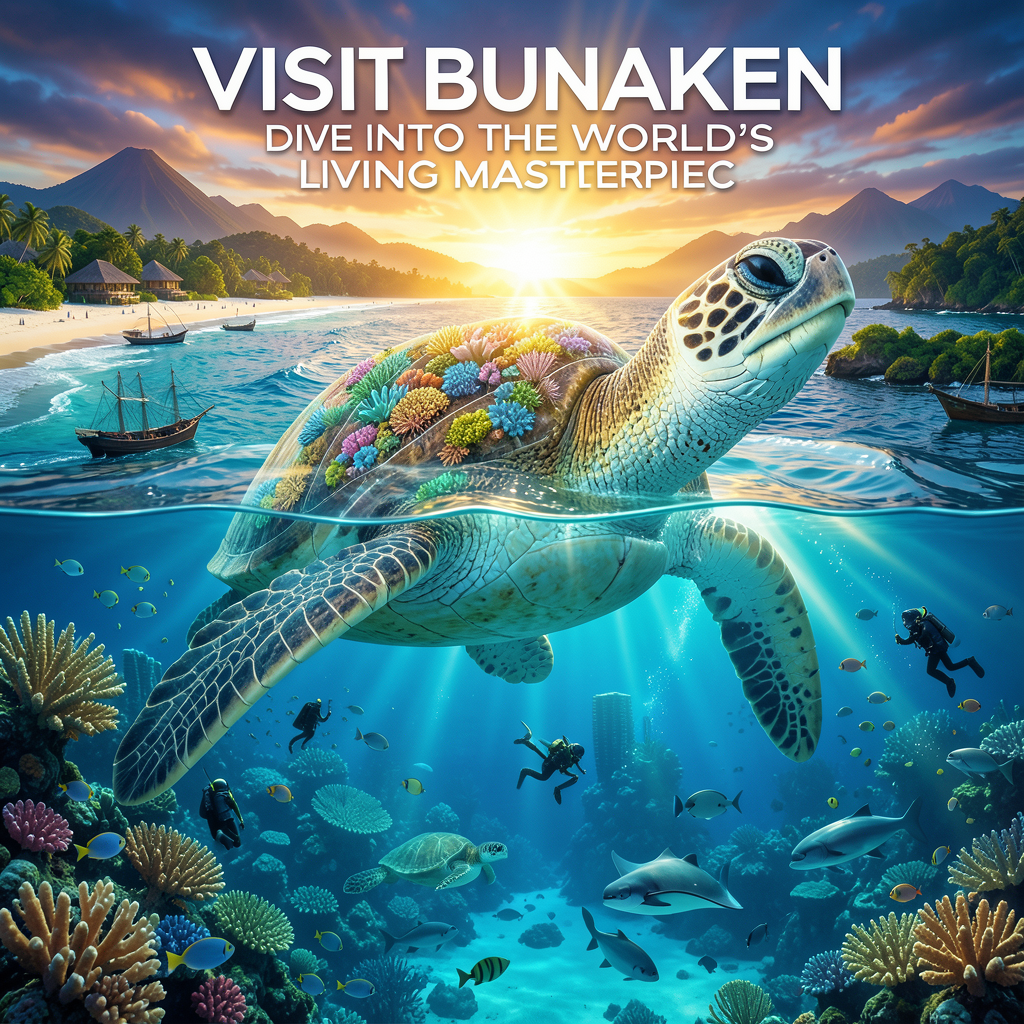
[Bunaken tourism poster with colossal coral sea turtle](/bunaken-tourism-poster-with-colossal-coral-sea-turtle): a travel-poster composition built around a giant, otherworldly sea turtle looming over a real dive destination. The single highest "wow" score of the whole Flux catalog, and a good template for surreal-scale marketing art.
[Scary Skeleton King Fantasy Film Still](/scary-skeleton-king-fantasy-film-still): dark-fantasy horror shot like a movie frame rather than a character sheet. Strong example of using cinematic and horror style tags together without the result looking like concept art clip-art.
[SynChrome Surreal Split Portrait](/synchrome-surreal-split-portrait): a portrait split down the middle between two visual treatments in one frame. Comes with several reference renders, which makes it easy to see how consistent Flux stays across variations of the same prompt.
[Neon Cyborg Mermaid Underwater Portrait](/neon-cyborg-mermaid-underwater-portrait): ethereal, glamorous, half-machine subject underwater. A good showcase of Flux's lighting behavior in a mixed-medium (skin, chrome, water) scene.
[Cinematic Portrait of a Young Man with Blue Eyes](/cinematic-portrait-of-a-young-man-with-blue-eyes-2): film-noir, fashion-editorial lighting on a straightforward human portrait. Proof that Flux's best results don't need a wild concept, just precise lighting and lens language.
[Crystalline Flux 1.1 Prompt Template](/crystalline-flux-1-1-prompt-template): written explicitly as a reusable template rather than a one-off, with several sample outputs attached. Worth studying if you want a starting structure for your own surreal/fantasy Flux prompts.
[LomoChrome Green Alien Street-Style Photo](/lomochrome-green-alien-street-style-photo): street fashion photography shot through a named film-stock look (LomoChrome), applied to a surreal subject. A clean example of the "real photographic process, unreal subject" pattern.
[Double Exposure Solar Eclipse Portrait](/double-exposure-solar-eclipse-portrait): a portrait blended with cosmic imagery using a classic double-exposure technique. One of the strongest examples of Flux handling a named analog technique cleanly instead of muddying the two layers.
[Gothic Neon Style Prompt for FLUX](/gothic-neon-style-prompt-for-flux): gothic architecture and wardrobe lit with neon color grading, four reference outputs included. A useful reference if you want a moody, high-contrast aesthetic that still reads as photoreal.
[Steampunk Style Image Prompt](/steampunk-style-image-prompt): Victorian-era machinery and costuming rendered with photographic, cinematic lighting rather than illustration shading. Good template for genre work that needs to look like a photo, not a painting.
[Choco Pie floating dessert commercial advertisement](/choco-pie-floating-dessert-commercial-advertisement): minimalist commercial food photography with cinematic lighting, the kind of clean product shot you'd expect from a real ad agency brief. Shows Flux's range extends well past portraits and fantasy art into straightforward commercial work.
Tips for writing Flux prompts
Browse all Flux prompts on Wikiprompt to see the full set, or grab the open dataset if you want to analyze the patterns yourself.
Related Articles
- The Best Ideogram Prompts
Oct 13, 2026 · 7 min read
- 最佳Ideogram提示词
Oct 13, 2026 · 7 min read
- Die besten Ideogram-Prompts
Oct 13, 2026 · 7 min read
- Los Mejores Prompts de Ideogram
Oct 13, 2026 · 7 min read
- Les Meilleurs Prompts pour Ideogram
Oct 13, 2026 · 7 min read