AI Product Photography Prompts: What Actually Works, Model by Model
We mined nearly 3,000 curated product and advertising prompts: which image models actually deliver for product shots, and the four prompt patterns behind the top-rated results.
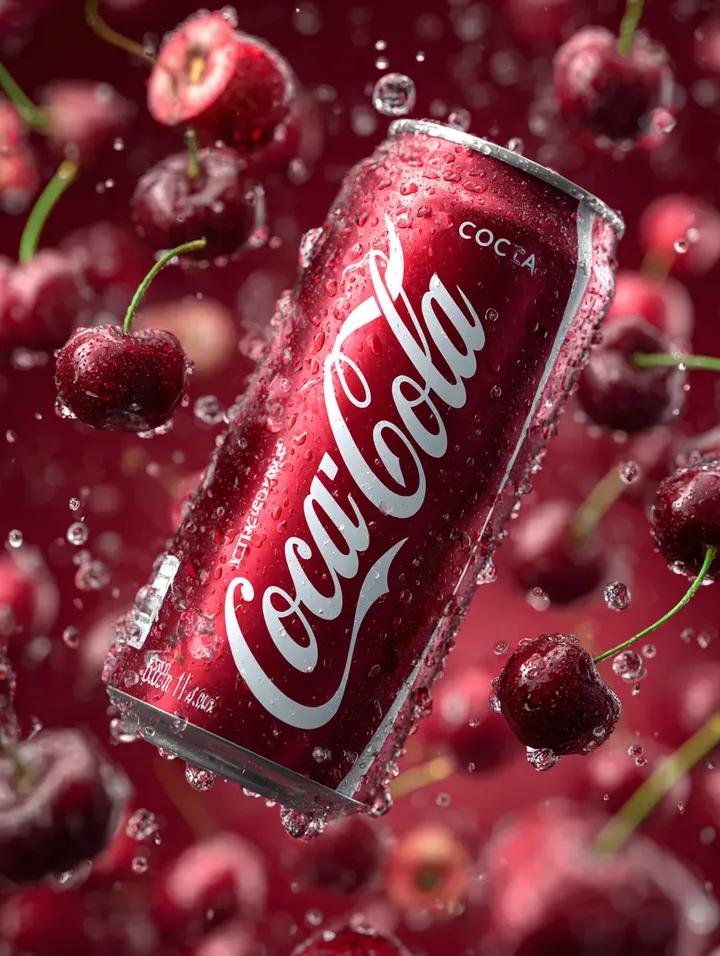
Product shots are the single biggest commercial use of AI image generation, and Wikiprompt's corpus proves it: nearly 3,000 curated prompts are about products, ads and packshots. Instead of another single-model guide, this one mines the whole corpus: which models people use for product work, which ones deliver, and the prompt recipes that survive contact with a real brief.
The data: who wins at product shots
Average "wow" rating for product and advertising prompts, per model (minimum 8 rated examples):
| Model | Prompts | Avg wow |
|---|---|---|
| GPT Image 1 | 130 | 4.03 |
| GPT Image (family) | 587 | 4.01 |
| GPT Image 1.5 | 19 | 3.79 |
| Nano Banana | 354 | 3.75 |
| GPT Image 2 | 765 | 3.71 |
| Grok Imagine | 10 | 3.60 |
| Z-Image Turbo | 20 | 3.60 |
| Nano Banana Pro | 140 | 3.58 |
Two takeaways. The GPT Image family dominates both volume and quality for product work: its typography and layout control matter more in advertising than raw photorealism. And volume flows to the newest models faster than quality does - GPT Image 2 has 6x the prompts of GPT Image 1 but a lower average, because everyone is still learning its dials.
The recipes that keep working
Across the top-rated product prompts, four patterns repeat:
Steal these
A starter recipe
[Format: vertical advertising poster / hero packshot / campaign grid] for [PRODUCT],
one physical event: [splash / explosion / melt / pour] frozen mid-motion.
Materials: [condensation / gloss / matte ceramic], studio [rim / soft box] lighting
on [black acrylic / seamless white / textured stone]. Render the headline
"[YOUR COPY]" in [style] at [position]. Photorealistic, high detail, 4K.
Explore more
Browse by model: GPT Image 2 · Nano Banana · GPT Image 1, or search the whole corpus for product photography. Today's image-model rankings live on the image leaderboard.
Related Articles
- The Best Ideogram Prompts
Oct 13, 2026 · 7 min read
- 最佳Ideogram提示词
Oct 13, 2026 · 7 min read
- Die besten Ideogram-Prompts
Oct 13, 2026 · 7 min read
- Los Mejores Prompts de Ideogram
Oct 13, 2026 · 7 min read
- Les Meilleurs Prompts pour Ideogram
Oct 13, 2026 · 7 min read